

Why HDR Photography Undermines Your Interior Design Work
Your design deserves to be seen the way it was meant to be experienced — with depth, atmosphere, and intention. So when it comes time to photograph a finished project, the technical choices made behind the camera matter far more than most designers realize.
One of the most common mistakes? HDR photography.
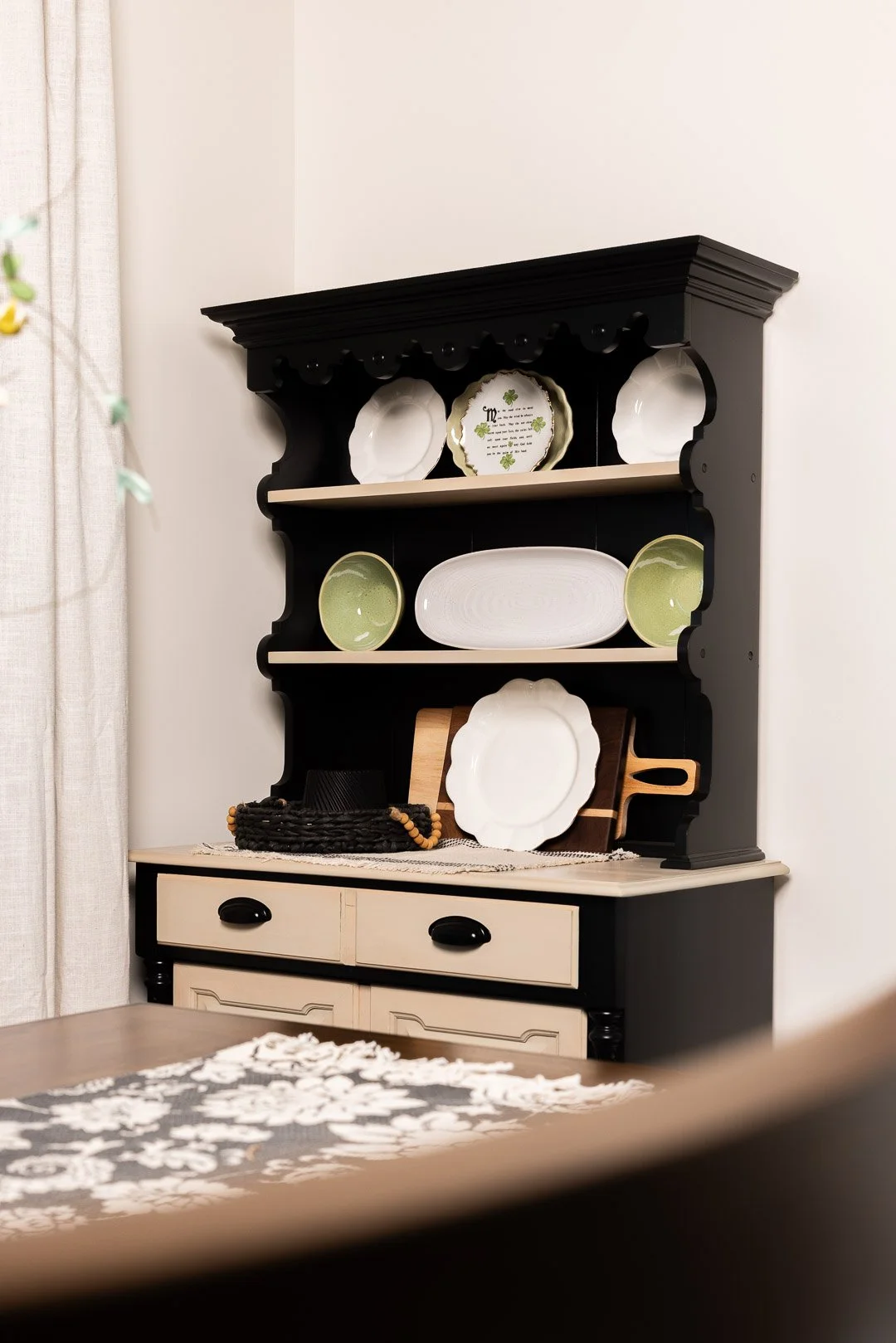
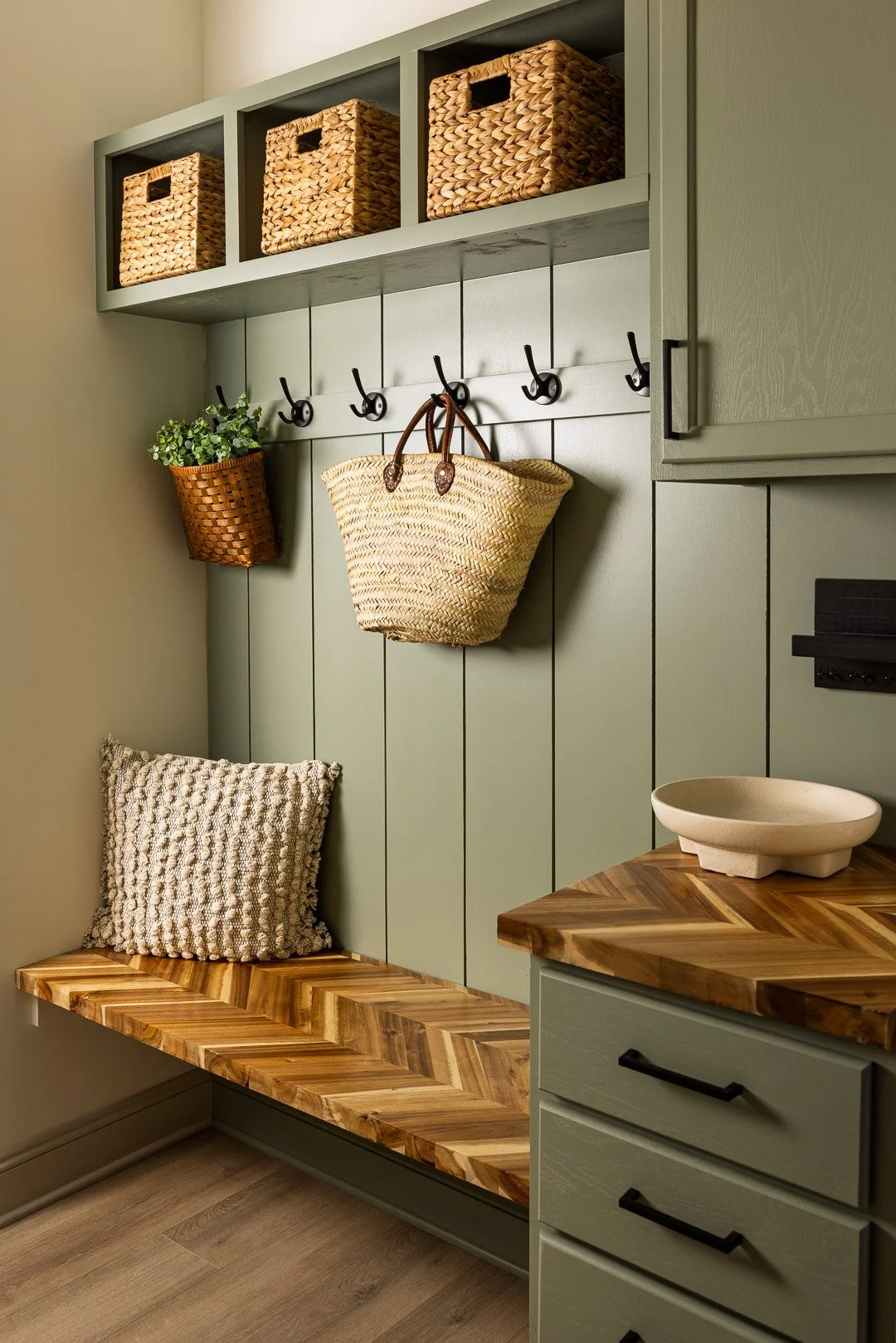
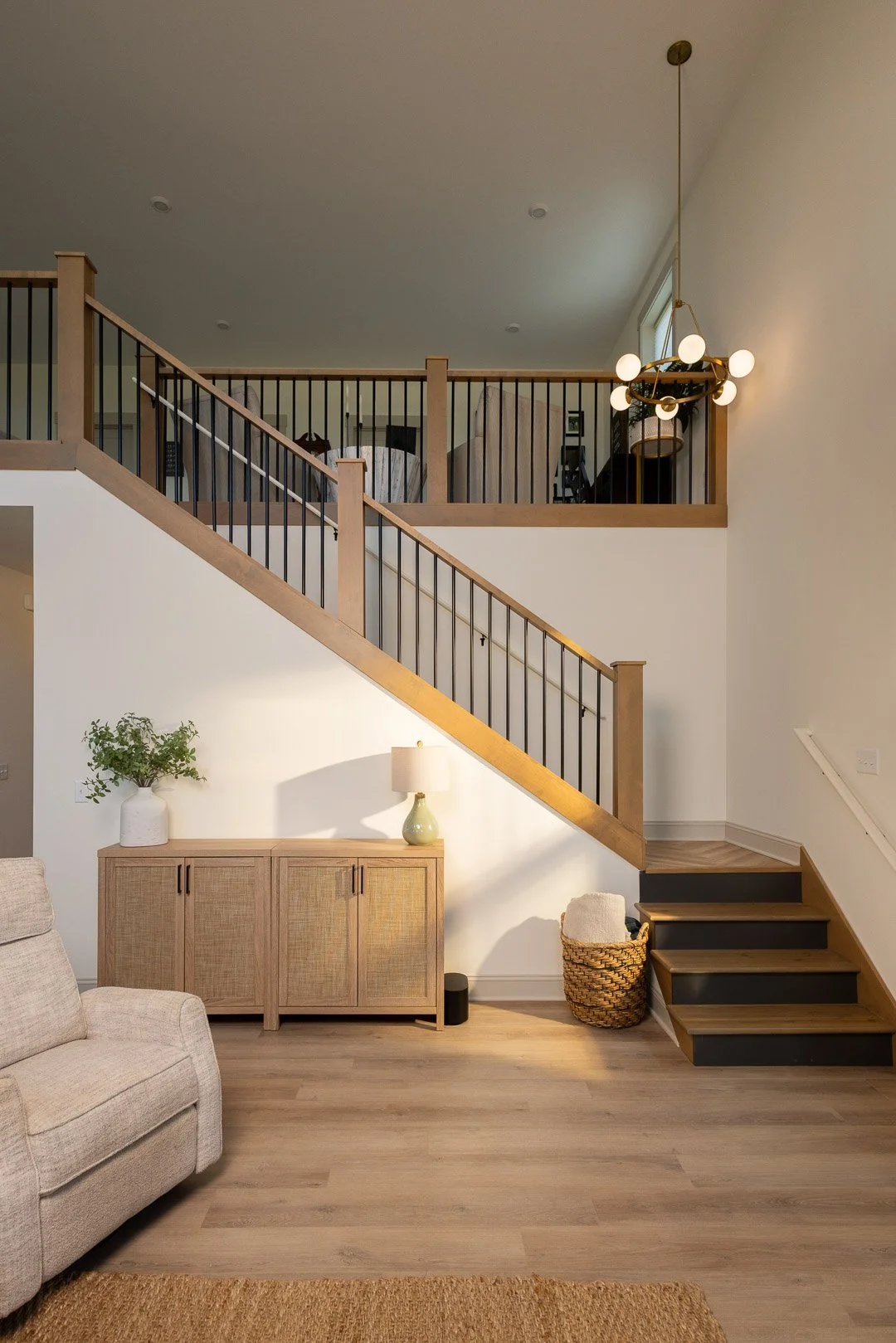
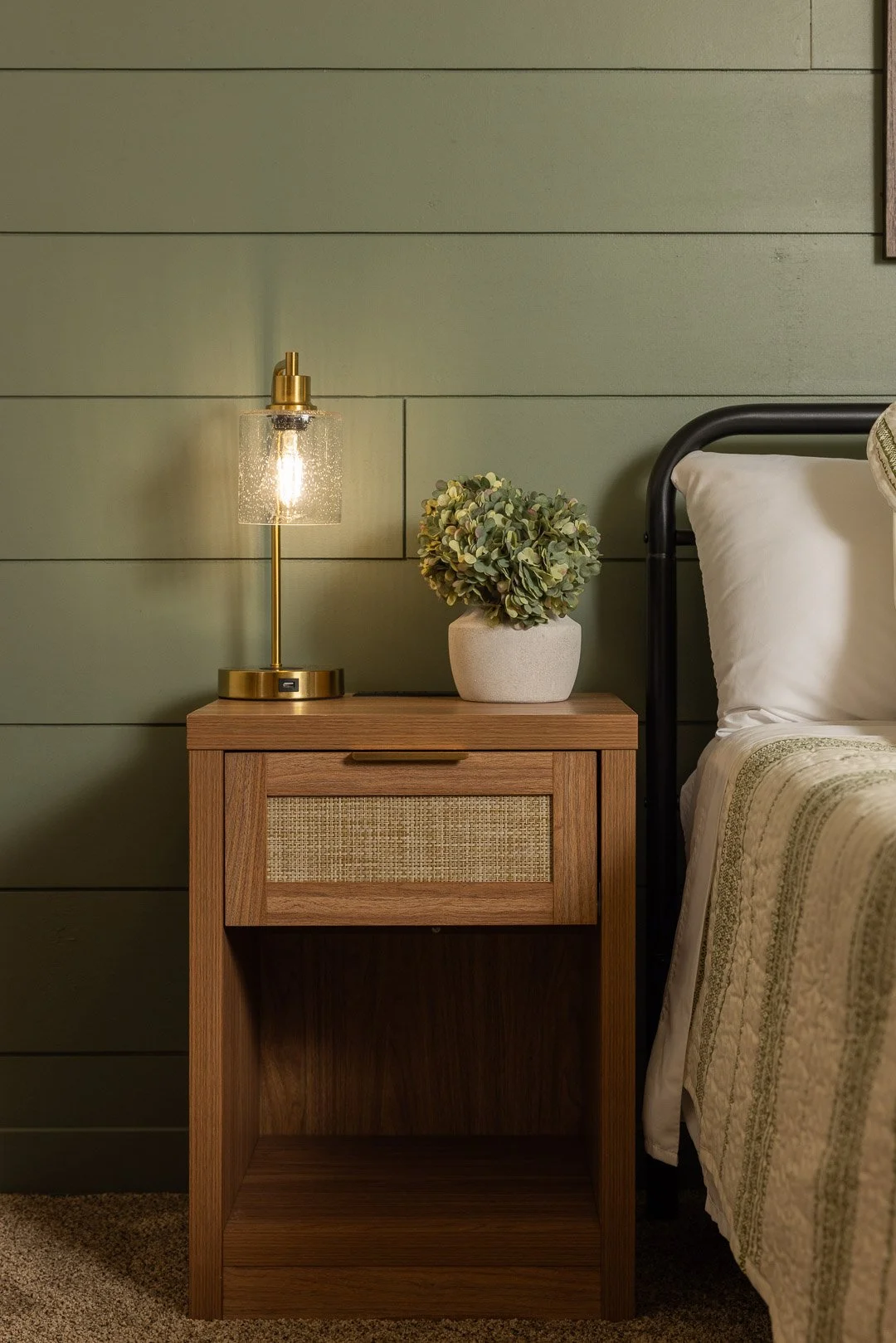
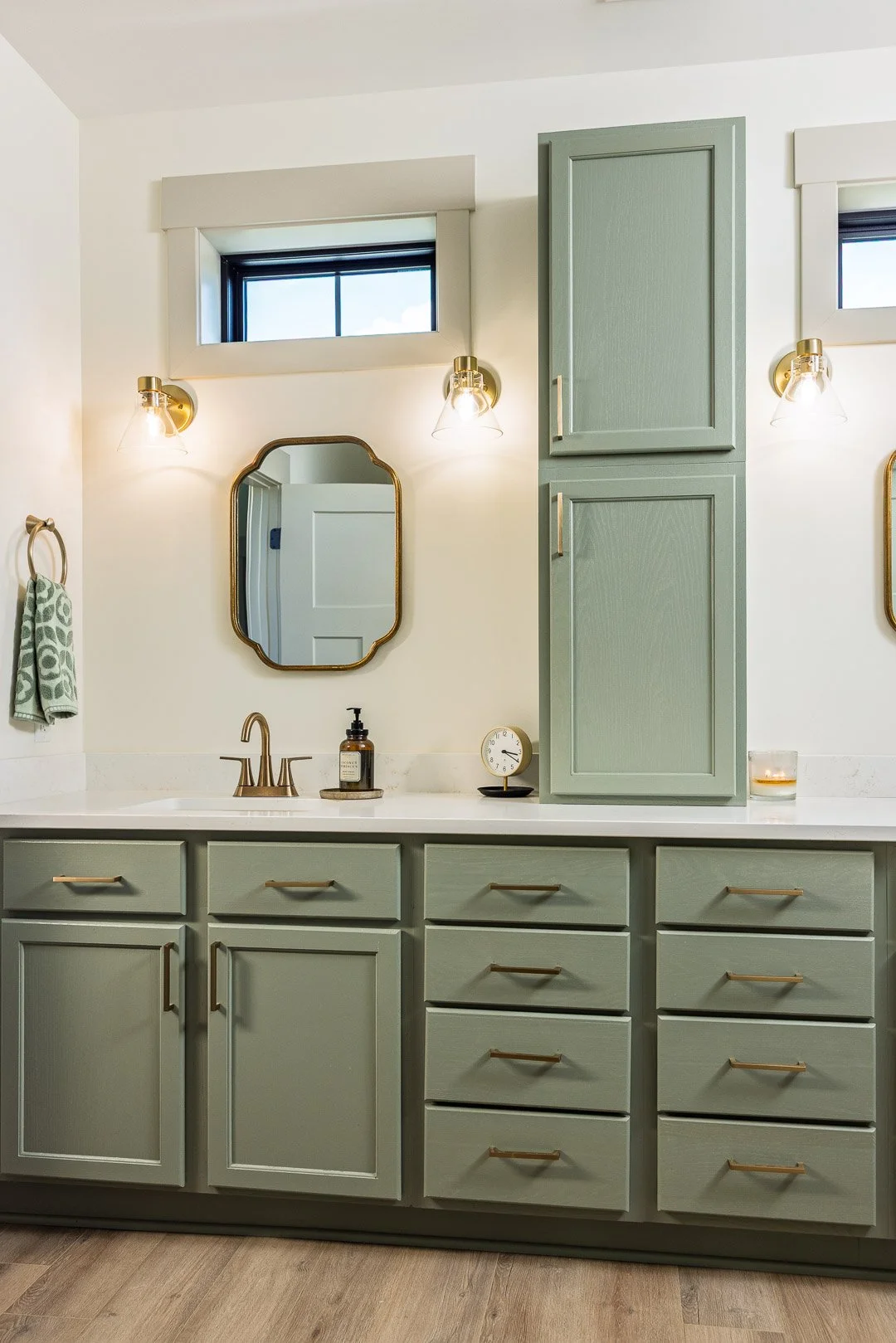
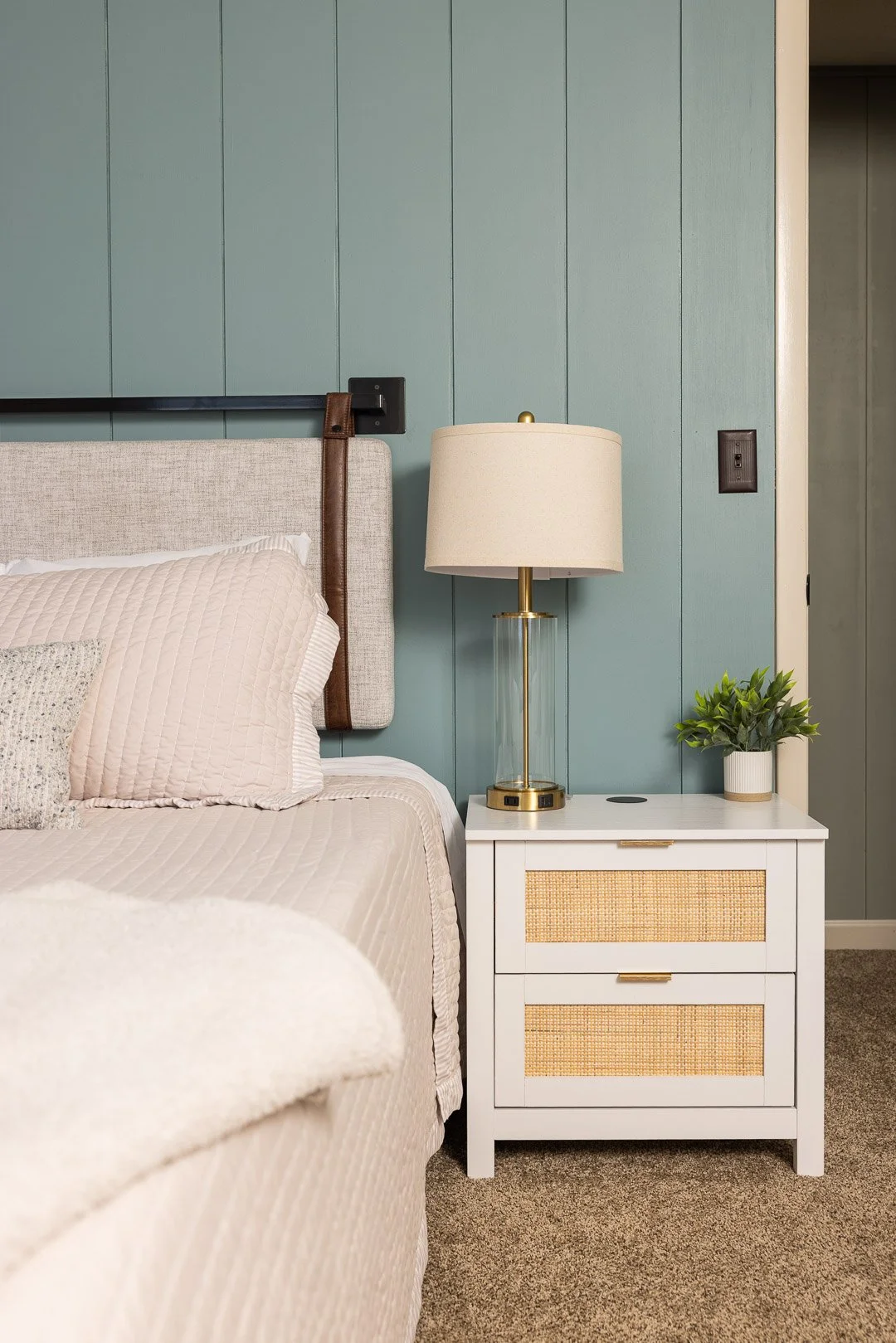
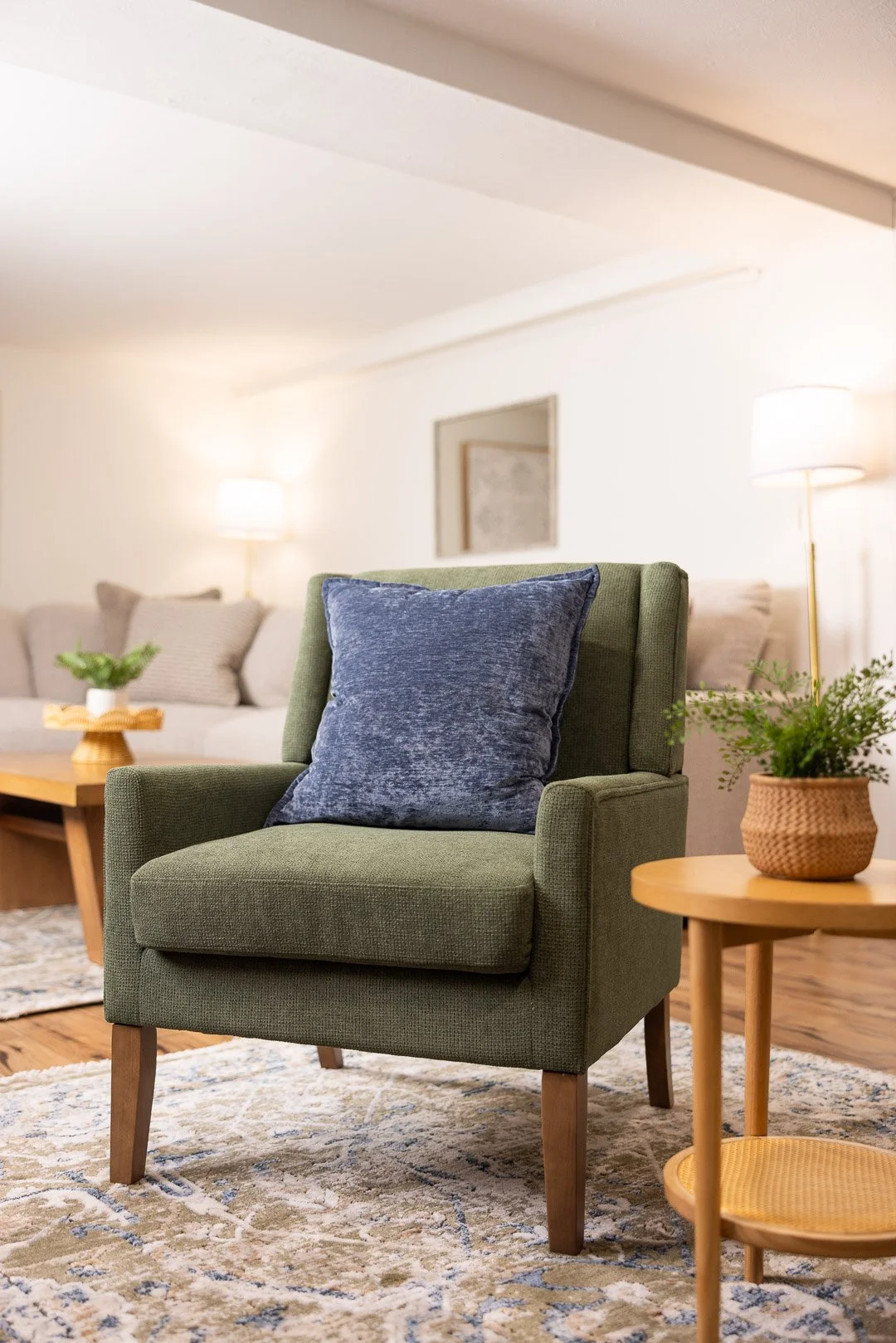
What HDR Actually Does to Your Spaces
HDR (High Dynamic Range) photography works by merging multiple exposures — bright, mid-tone, and dark — into a single, "balanced" image. On the surface, it sounds like a smart solution to tricky lighting conditions. In practice, it systematically strips away everything that makes a well-designed interior feel extraordinary.
Shadows disappear. Textures flatten. Windows bloom with an unnatural glow. The result is an image that is technically correct and visually lifeless — a photograph that shows every corner of the room while communicating almost nothing about the experience of being in it.
For designers and stagers who have invested deeply in materiality, proportion, and the interplay of light and form, that is a significant problem.
Why It Matters for Your Brand
Editorial clients, design publications, and high-end homeowners are sophisticated viewers. They may not be able to articulate why an HDR image feels off, but they feel it immediately. The telltale signs — the evenly lit ceilings, the blown-out windows, the absence of shadow — signal a lack of craft. And by extension, they reflect on yours.
When your portfolio is built on images that look processed rather than considered, it attracts the wrong clients and underwhelms the right ones.
What Editorial Photography Does Differently
The photographers whose work appears in Architectural Digest, Domino, and Elle Decor are not chasing "perfect" exposure. They are chasing truth — the precise quality of afternoon light falling across a marble countertop, the gentle shadow that articulates a custom millwork detail, the atmosphere that tells a viewer exactly what it would feel like to stand in that room.
This is achieved through controlled natural light, not computational blending. Window light is used as a foundation, then shaped with reflectors, managed with flags, and refined through careful exposure decisions. Highlights are allowed to glow. Shadows are allowed to breathe. The image earns its dimension rather than manufacturing it.
Discover Editorial Interior Photography in Michigan
What This Means When You Hire a Photographer
When you are selecting a photographer for your projects, HDR usage is one of the clearest indicators of approach and philosophy. Ask to see unprocessed work. Look for images where light has direction, where depth reads clearly, and where the mood of the space is preserved rather than corrected away.
The difference between a photographer who shoots HDR as a workflow shortcut and one who works intentionally with natural light is visible in every single image — and that difference shows up directly in how your work is perceived.
Your Work Deserves Better Than a Technical Shortcut
You spend months — sometimes years — developing a project. Every finish, fixture, and furniture selection is considered. The photography should carry the same standard.
HDR is efficient. Editorial photography is intentional. And when your images are used to attract clients, pursue press, and build a portfolio that reflects the caliber of your practice, intentionality is the only acceptable standard.
Schedule a free Discovery Call today to learn how to transform your carefully crafted spaces into timeless editorial imagery.
